

By Dr. Stanford Owen, Owner of Shots N Shakes, Gulfport, Mississippi
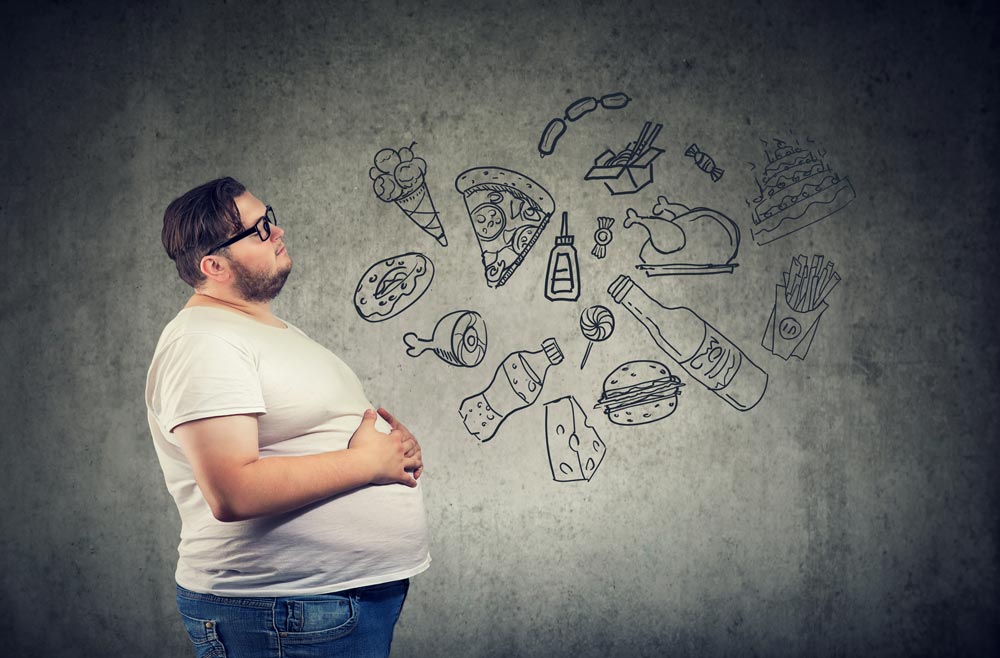
The idea that cravings are just a matter of weak willpower has stuck around for decades, but it couldn’t be further from the truth. Cravings—whether for sugar, salt, carbs, or even late-night snacks that seem to call your name—don’t come from a character flaw. They come from the brain. And more specifically, from brain chemistry that’s out of balance.
The brain is constantly trying to maintain equilibrium. It’s wired to seek out things that make it feel better—especially when something feels off. That “off” feeling might be fatigue, boredom, stress, anxiety, or even a subtle dip in blood sugar. The brain’s solution? Drive behavior that restores balance. Often, that comes in the form of a craving.
These cravings can feel intense and irrational. A person might be perfectly aware that they’re not hungry, and still feel compelled to reach for a candy bar or chips. That’s not about weakness. It’s about neurochemicals like dopamine, serotonin, and cortisol playing tug-of-war with decision-making. When you crave and seek something in spite of knowledge it is harmful (in excess), you try consciously to avoid it with organized effort, then you are dealing with a craving that is now an addiction. Often a “withdrawal” effect is experienced.
Dopamine is the brain’s motivator. It rewards behavior with a sense of pleasure and satisfaction. When dopamine levels are low—either from stress, sleep deprivation, or chronic overstimulation—the brain looks for a quick fix. High-sugar or high-fat foods provide that hit almost instantly. The craving is really the brain asking for dopamine, not necessarily for the food itself.
Serotonin, on the other hand, is the stabilizer. It regulates mood, sleep, and appetite. When serotonin is low, cravings often skew toward carbohydrates. That’s because carbs trigger serotonin release. It’s not a coincidence that people crave bread, pasta, and sweets when they’re feeling down or emotionally drained. The body is trying to lift the mood, even if only temporarily.
Cortisol, the stress hormone, also plays a major role. When stress levels are elevated, cortisol drives hunger—especially for calorie-dense foods. This makes sense from a survival standpoint. In prehistoric times, stress meant danger, and the body needed fuel to fight or flee. But in modern life, stress might come from a meeting, a deadline, or traffic—not something that requires burning extra calories. The body still reacts the same way, pushing a craving that seems disproportionate to the situation.
Branched chain and micronized amino acids are proteins that are absorbed instantly. They do not require insulin to enter the energy and repair cycles like sugar, and they reduce the production of stress hormones like cortisol, adrenalin, and insulin. ShotsNShakes weight loss powder works by reducing cravings with micronized amino acids.
Cravings also tend to follow a cycle. A person eats a sugary snack, gets a temporary boost in dopamine or serotonin, then crashes. That crash lowers those same brain chemicals, triggering another craving. It becomes a feedback loop that’s difficult to break without addressing the root cause—brain chemistry.
That’s where functional nutrition and targeted supplementation can make a major difference. Certain amino acids, for example, serve as precursors to dopamine and serotonin. When those building blocks are available in the right amounts, the brain doesn’t have to scramble for quick fixes. Stabilizing blood sugar with balanced protein intake and smart carb timing can also reduce the frequency and intensity of cravings.
At Shots N Shakes in Gulfport, many of the nutritional therapies offered focus on restoring that balance. The goal isn’t to suppress appetite or rely on stimulants—it’s to support the brain’s chemistry so it doesn’t need to manufacture cravings in the first place. This approach looks at energy, mood, focus, and hunger as interconnected systems, not isolated problems.
Sleep also plays a massive role in how the brain handles cravings. Poor sleep disrupts both dopamine and serotonin levels, while increasing cortisol. It also impacts hunger hormones like ghrelin and leptin, which regulate appetite and fullness. After a bad night’s sleep, the body is more likely to overeat and crave fast energy sources. Again, not a lack of willpower—just a body trying to rebalance.
In short, cravings are messages from the brain. They’re often loud, sometimes misleading, but they serve a purpose. Interpreting those messages through the lens of brain chemistry makes them less mysterious—and much more manageable.
Blaming cravings on willpower is like blaming a car for running out of gas. The brain can only function optimally when its chemical systems are supported. And when they’re not, it looks for the easiest way to get back on track, even if that means dragging someone to the pantry when they know better.
Understanding the science behind cravings gives power back to the individual. Instead of guilt or frustration, the focus shifts to solutions that work with biology—not against it. Balanced fuel, proper nutrients, consistent sleep, and routine support for the brain’s natural systems can turn cravings from a daily battle into something much more predictable—and much easier to control.
